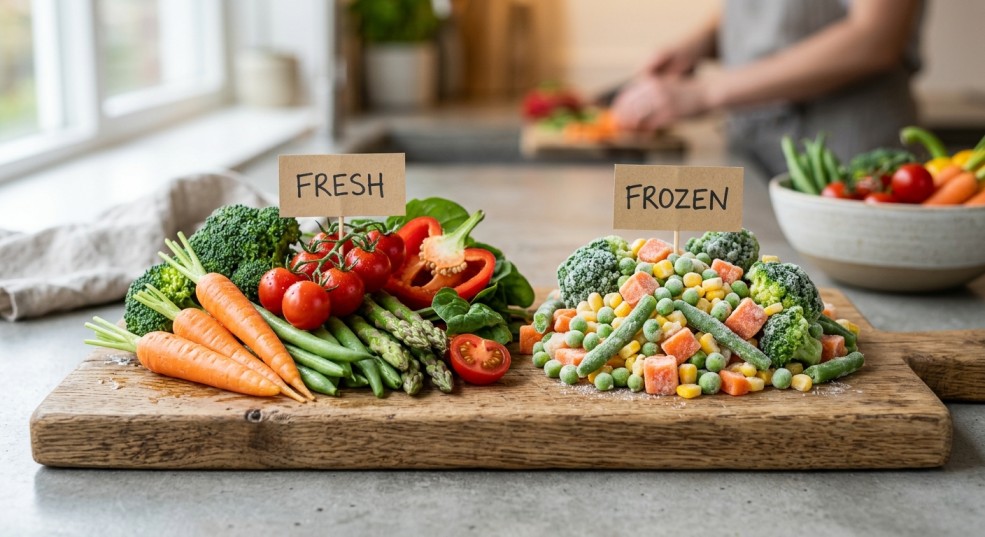
Modern freezers have changed the way we store food. Today, we can keep vegetables for months without them spoiling. But many people still ask the same question: Fresh vs frozen vegetables: which one is better?
I hear this question all the time. Most people assume the answer is simple. Fresh vegetables must be healthier because they are fresh. That sounds logical. But the truth is a little more complex.
In many cases, frozen vegetables can be just as healthy as fresh ones. Sometimes they can even be more nutritious. It all depends on where the vegetables come from and how long they sit before you eat them. Let’s break it down.
Why People Assume Fresh Vegetables Are Always Better
Most people trust fresh vegetables more than frozen ones. They look natural. They are not processed. And they come from the produce section of the store.
As a chef, I love fresh ingredients too. Fresh vegetables often have great flavor and texture when they are truly fresh.
But here is the problem. Many vegetables in grocery stores are not as fresh as they seem. By the time you buy them, they may have already spent days or even weeks in storage.
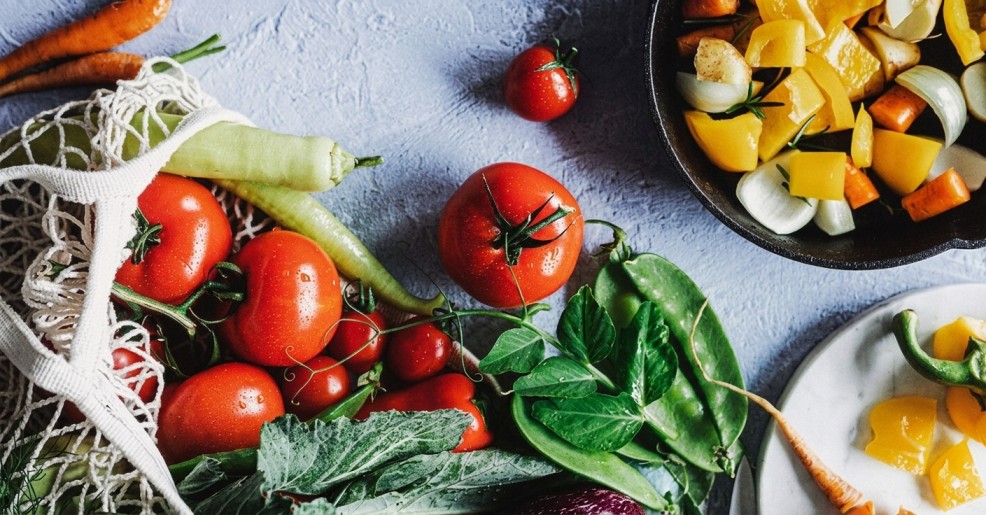
What Happens to “Fresh” Vegetables Before You Buy Them
Many vegetables are picked before they are fully ripe. Farmers do this so the produce can survive long trips without getting damaged.
Once a vegetable is picked, it slowly begins to lose nutrients.
After harvest, the vegetables may:
- Travel for days on trucks, boats, or planes
- Sit in storage warehouses
- Spend time on grocery store shelves
- Sit in your refrigerator for several more days
This entire process can take a week or more.
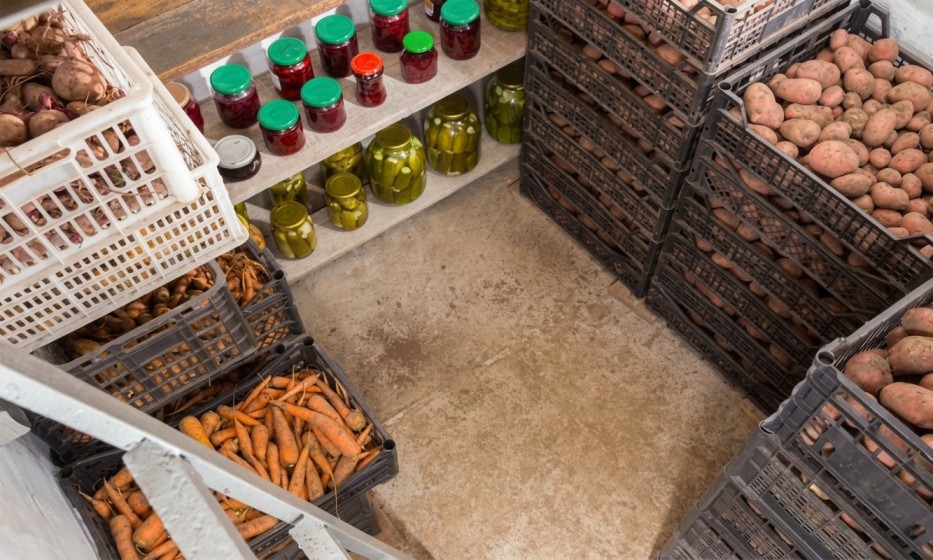
During this time, vegetables can lose up to 50% of their nutrients. Vitamins like vitamin C are especially sensitive and break down quickly after harvest. Even though the vegetables look fresh in the store, they may have already lost much of their nutritional value.
How Frozen Vegetables Are Processed
Frozen vegetables follow a very different process.
Most frozen vegetables are picked when they are fully ripe. This is when they have their highest nutrient levels.
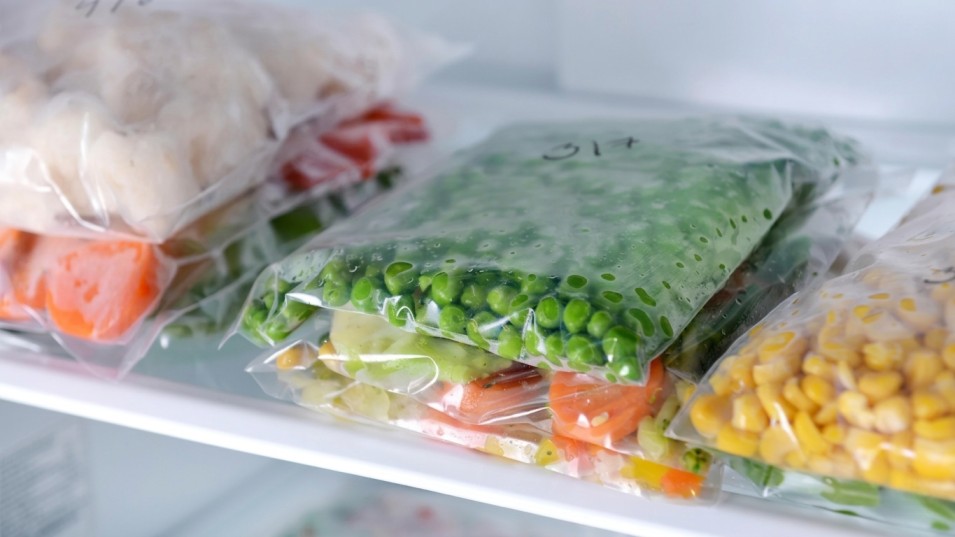
Soon after harvest, they undergo a process called flash-freezing. This quick freeze locks most of the nutrients in place.
Freezing can reduce some vitamin levels slightly. But overall, the nutrients stay stable for a long time. Because of this, frozen vegetables often keep most of the nutrition they had at harvest.
Fresh vs Frozen Vegetables: Nutrition Comparison
Several studies have compared the nutrition of fresh and frozen vegetables.
In many cases, frozen vegetables performed just as well as fresh ones. Sometimes they even had higher nutrient levels after storage.
For example:
- Frozen broccoli had higher vitamin C and beta-carotene after three days of storage.
- Frozen blueberries had much higher levels of polyphenols and anthocyanins, which are powerful antioxidants.
- Frozen sprouts showed higher nutrient levels across several measurements.
This happens because frozen vegetables are preserved quickly, while fresh vegetables continue to lose nutrients over time.
When Fresh Vegetables Are Truly Better
Even though frozen vegetables are very good, nothing beats truly fresh produce.
If you pick vegetables from your own garden or buy them from a local farmers’ market and eat them the same day, the quality is hard to match. This is when fresh vegetables shine the most.
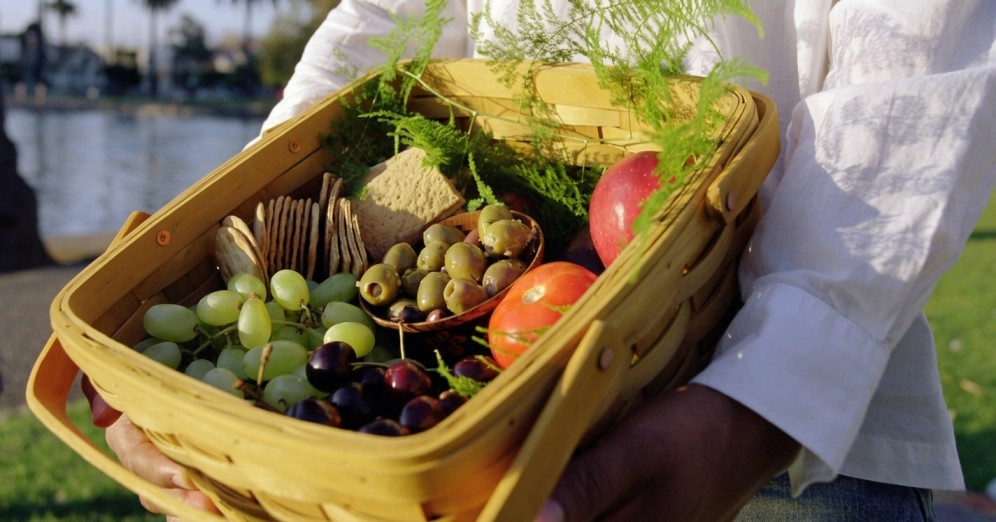
You will notice:
- Better flavor
- Better texture
- Maximum nutrition
Fresh vegetables that go straight from the field to your kitchen are always a great choice.
When Frozen Vegetables Are the Smarter Choice
Frozen vegetables are often the better option in several situations.
They are especially useful when vegetables are out of season or have to travel long distances.
Frozen vegetables are also great because they:
- Last much longer
- Reduce food waste
- Are often cheaper
- Are quick and convenient to cook
In many kitchens, including professional ones, frozen vegetables are a practical and reliable option.
A Chef’s Take: What I Use in My Kitchen
As a chef, I use both fresh and frozen vegetables.
When I can get fresh, local vegetables, I always prefer them. The taste and texture are fantastic.
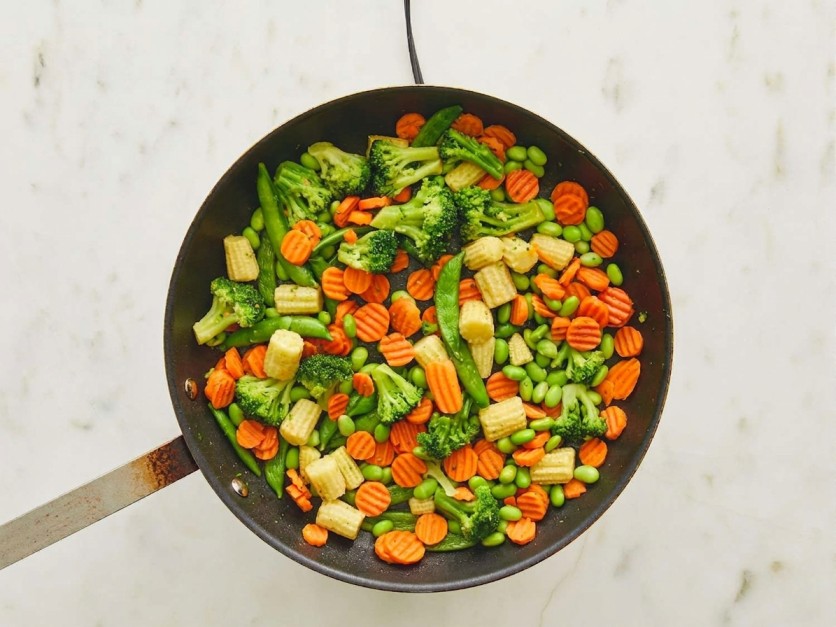
But when vegetables are out of season, frozen options can actually be the smarter choice. They are picked at peak ripeness and often keep their nutrition better than older “fresh” produce. For home cooks, the best approach is simple: use both when it makes sense.
Fresh vs Frozen Vegetables: Quick Comparison
Here’s a quick Fresh vs Frozen Vegetables comparison:
| Factor | Fresh Vegetables | Frozen Vegetables |
| Nutrition | Best when freshly picked | Often preserved well |
| Taste | Excellent when local | Good year-round |
| Shelf Life | Short | Very long |
| Convenience | Requires quick use | Easy to store and cook |
| Cost | Can be expensive out of season | Often more affordable |
Final Verdict: Fresh vs Frozen Vegetables
So, which is better: fresh vs frozen vegetables?
The answer depends on how fresh the vegetables really are.
If you can get vegetables straight from a garden or a local farm and eat them quickly, fresh is the winner.
But if vegetables have traveled long distances and sat on shelves for days, frozen vegetables may actually contain more nutrition.
In the end, both options are healthy. The most important thing is simple: eat more vegetables, whether they are fresh or frozen.
FAQ
Do frozen vegetables lose vitamins?
Some vitamins can decrease slightly during freezing, but most nutrients remain stable.
Are frozen vegetables healthy for everyday meals?
Yes. Frozen vegetables are a healthy and convenient option for everyday cooking.
Which vegetables are better frozen?
Vegetables like broccoli, peas, spinach, and berries often freeze very well and maintain their nutrition.