Looking for an easy smoothie recipe to jump-start your mornings or power through afternoon slumps? Smoothies have exploded in popularity recently because they pack flavor and nutrients into a quick, portable meal. In fact, smoothies have become increasingly popular in recent years due to their convenience, delicious taste, and numerous health benefits. As Johns Hopkins Medicine observes, blending whole fruits, veggies, and protein can “give you great nutrition that’s delicious and easy to enjoy on the go”. In this ultimate guide, we’ll cover what smoothies are, their top health perks, and introduce nine featured smoothies tailored for breakfast, energy, or antioxidant benefits. Each smoothie is described below with its flavor profile and benefits.
What is a Smoothie?
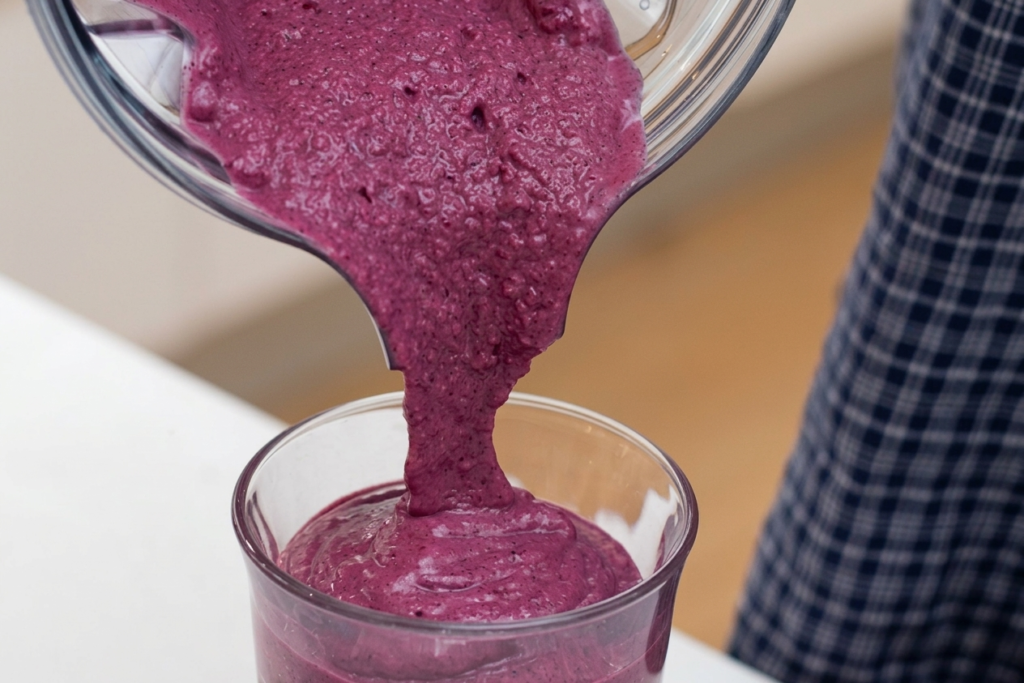
A smoothie is a thick, drinkable beverage made by pureeing fruits and/or vegetables with a liquid base (like milk, juice, or water) in a blender. It often includes add-ins like yogurt, nut butters, seeds, or protein powder to boost nutrition. Smoothies come in wide varieties: fruit smoothies (made mostly with fresh or frozen fruits), protein smoothies (featuring ingredients like Greek yogurt, protein powder, or nut butter for extra protein), and detox/green smoothies (packed with leafy greens and veggies for vitamins and fiber). The beauty of a smoothie is its versatility; you can mix and match ingredients to fit any taste or dietary need.
Benefits of Smoothies
Smoothies are popular not just because they taste great, but because they offer real health advantages. Here are some key benefits:
- Energy Boost: A well-made smoothie can provide quick energy. Ingredients like bananas, oats, or sweet fruits supply complex carbs and natural sugars, giving you fuel for the morning or an afternoon pick-me-up.
- Nutrient Intake: By blending fruits and veggies into a drink, you pack in vitamins, minerals, antioxidants, and fiber. Smoothies can be “a great source of vitamins, minerals, and… antioxidants,” and even protein or healthy fats depending on the add-ins. This makes it easy to hit daily fruit/vegetable goals.
- Weight Management: Smoothies can help you feel full and satisfied. Recipes rich in fiber and protein curb cravings and promote satiety. For example, green smoothies with leafy greens and seeds keep hunger at bay. One guide notes that as meal replacements, smoothies “can help you feel full and satisfied” and support a calorie-controlled diet.
- Convenience: Perhaps the biggest perk is how quick and easy smoothies are. They’re “a quick and easy way to get a nutritious meal or snack” with minimal prep. Just toss ingredients into a blender and go. That makes smoothies perfect for busy mornings or a post-workout drink.
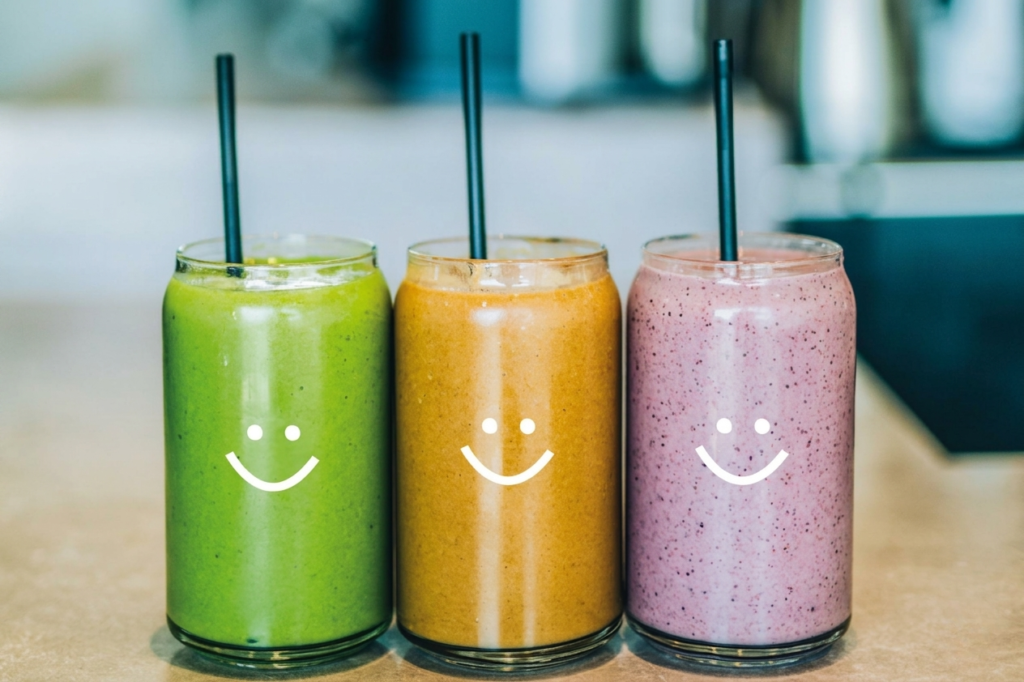
These benefits show why smoothies have become staples in healthy meal plans. You’re getting nutrition, hydration, and energy in a glass, often faster than making toast or breakfast cereal.
Best Smoothies for Different Goals
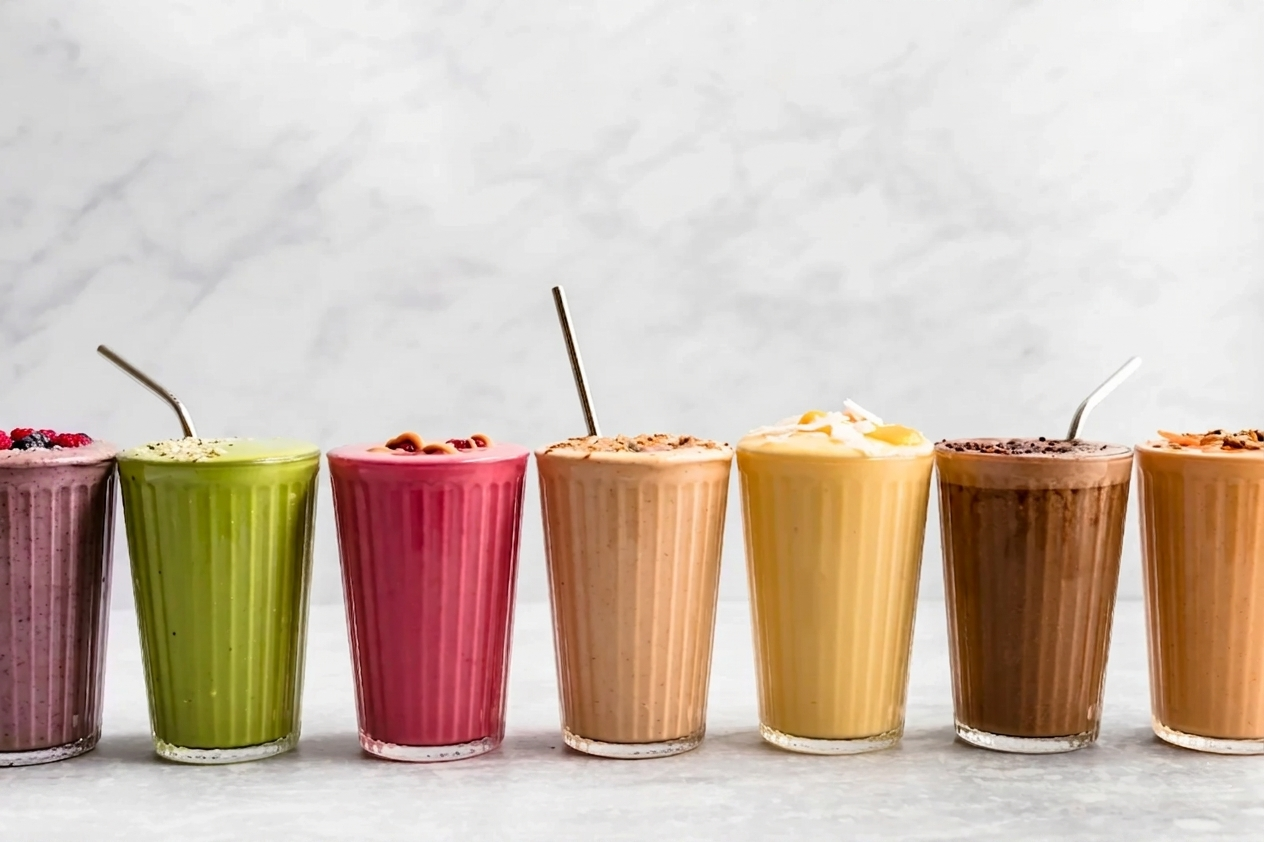
Whether your goal is a hearty breakfast, an afternoon energy boost, or an antioxidant hit, there’s a smoothie for you. Below are smoothie categories and short intros to nine easy smoothie recipes you can try. Each description highlights the smoothie’s flavor profile and benefits.
Smoothies for Breakfast
- Strawberry Banana Smoothie: A classic morning pick-me-up, this smoothie blends creamy banana with sweet strawberries. Bananas add natural potassium and creaminess, while strawberries contribute vitamin C and antioxidants. This Strawberry Smoothie feels like a treat but provides lasting energy to start your day.
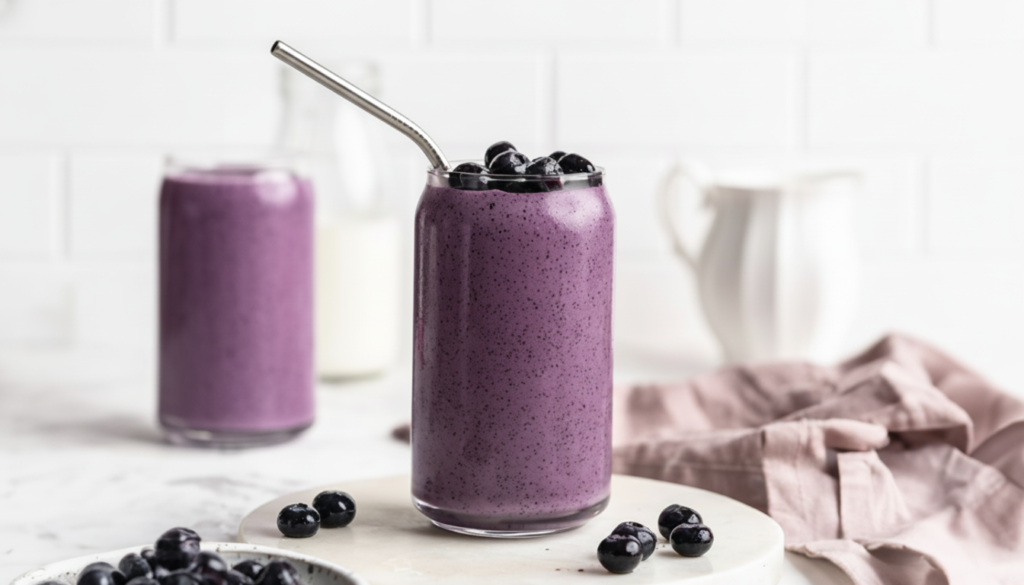
- Blueberry Smoothie: Packed with antioxidants, a Blueberry Smoothie is tangy and refreshing. Blueberries (plus other berries, if included) give this blend a deep purple color and a burst of immune-boosting vitamin C. It’s often made creamy with a banana or yogurt base, so you get fiber and protein along with the berry goodness.
- Mango Pineapple Smoothie: Think tropical! Ripe mango and juicy pineapple make this smoothie bright and sweet. It’s loaded with vitamin C and B vitamins for energy and immunity. Coconut water or Greek yogurt can add hydration and protein, making this Mango Pineapple Smoothie a filling breakfast choice that reminds you of a tropical getaway.
Smoothies for Energy & Indulgence
- Chocolate Peanut Butter Smoothie: A dream for chocolate lovers, this Chocolate Peanut Butter Smoothie combines cocoa powder and ripe banana with peanut butter and milk. The result is a rich, dessert-like flavor that’s surprisingly healthy. You’ll get natural sweetness from the banana, healthy fats and protein from the peanut butter, and a chocolatey boost, perfect for a mid-morning or post-workout energy lift.
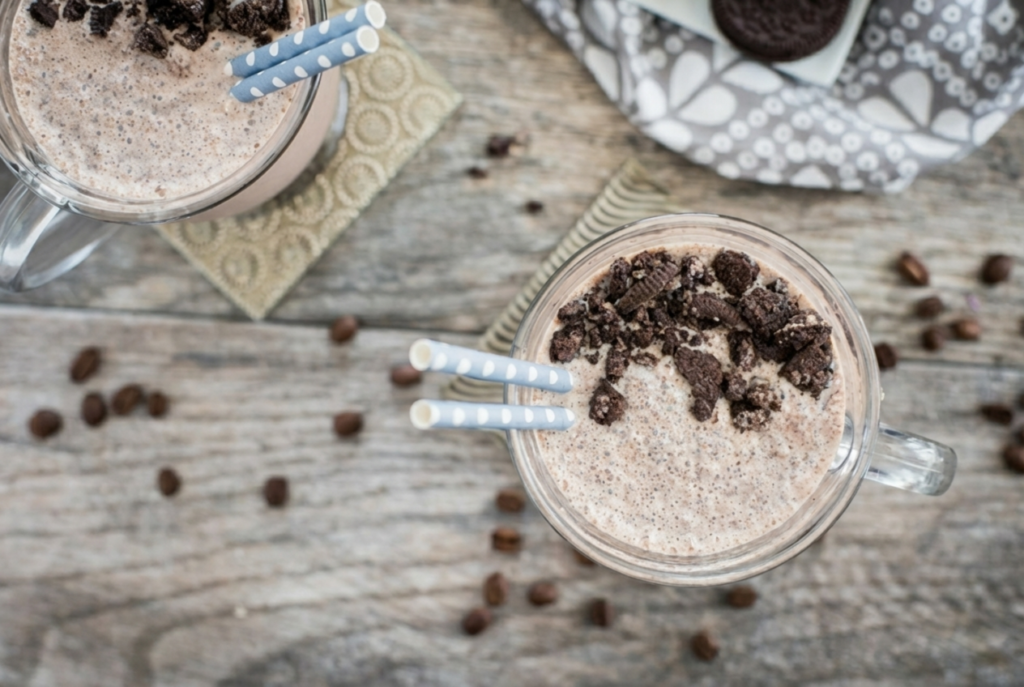
- Chocolate Cookie & Cream Smoothie: For a decadent twist, this Chocolate Cookie & Cream Smoothie treat tastes like liquid cookies and cream ice cream. It usually mixes vanilla extract, peanut butter, cocoa, banana, milk, and a crunchy cookie (often an Oreo!). Despite the indulgent name, it can be a controlled dessert option that satisfies sweet cravings. It’s rich in flavor and can be made with protein powder and nuts for extra satiety.
Healthy & Refreshing Smoothies
- Orange Carrot Mango Smoothie: Bright and nutritious, this Orange Carrot Mango Smoothie combines vitamin-packed orange juice and mango with sweet carrot. It’s like a glass of tropical sunshine rich in vitamin A (from carrots) and vitamin C (from oranges and mango). This blend is hydrating and eye-catching (orange color) and is great for an immune system boost.
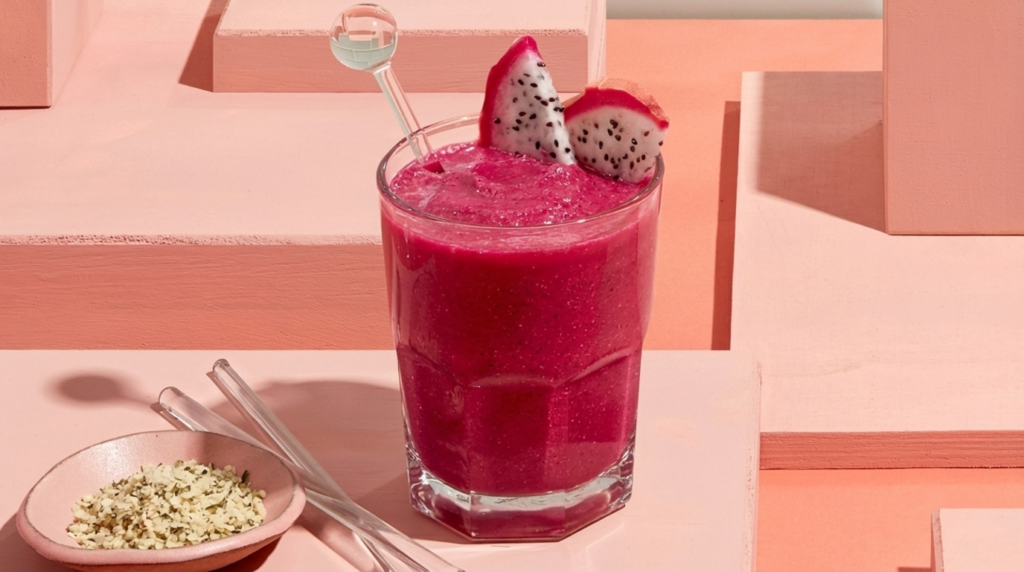
- Strawberry Dragonfruit Smoothie: Vibrant pink and light, the Strawberry Dragonfruit Smoothie is a feast for the eyes and the body. Dragon fruit (also called pitaya) is packed with antioxidants, and blended with strawberries and milk or yogurt, you get a smoothie full of vitamins and fiber. It’s mildly sweet, hydrating, and makes for an exotic breakfast or snack.
Fruity & Antioxidant-Rich Smoothies
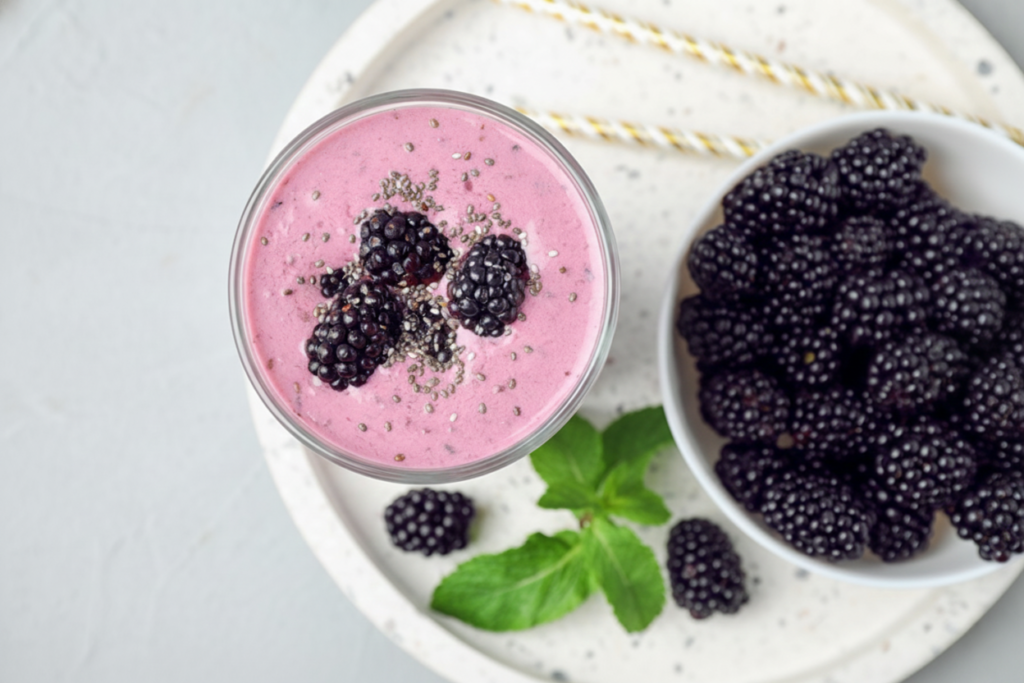
- Blackberry Smoothie: Dark and jewel-toned, a Blackberry Smoothie is rich in antioxidants and fiber. Blending blackberries with banana and milk (and optional protein powder or nut butter) creates a creamy, tangy drink. The blackberries’ natural sweetness and slight tartness make them refreshing. This smoothie supports heart health and digestion thanks to its high fiber content.
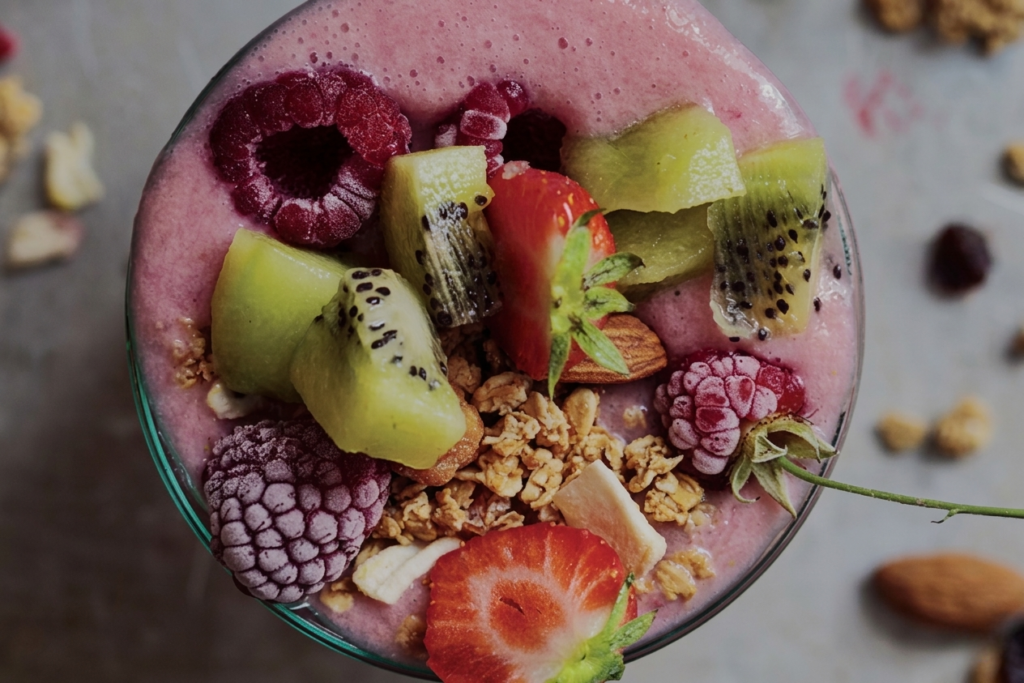
- Strawberry Blueberry Banana Smoothie: Combining three fruits in one glass, this Berry-Banana Smoothie is a powerhouse of nutrients. Strawberries and blueberries provide a double dose of antioxidants and vitamin C, while bananas add creaminess and potassium. Nut butter or chia seeds can be tossed in for protein and healthy fats. This colorful smoothie is satisfying and sweet, perfect for a breakfast that feels like a treat.
Each of the smoothies above is easy to make and customizable. Don’t be afraid to swap a fruit or add greens to suit your taste. The links will take you to the full ingredient list and instructions when you’re ready to blend.
How to Make the Perfect Smoothie
Creating a delicious smoothie is easy once you know the basics. Keep these tips in mind for the best results:
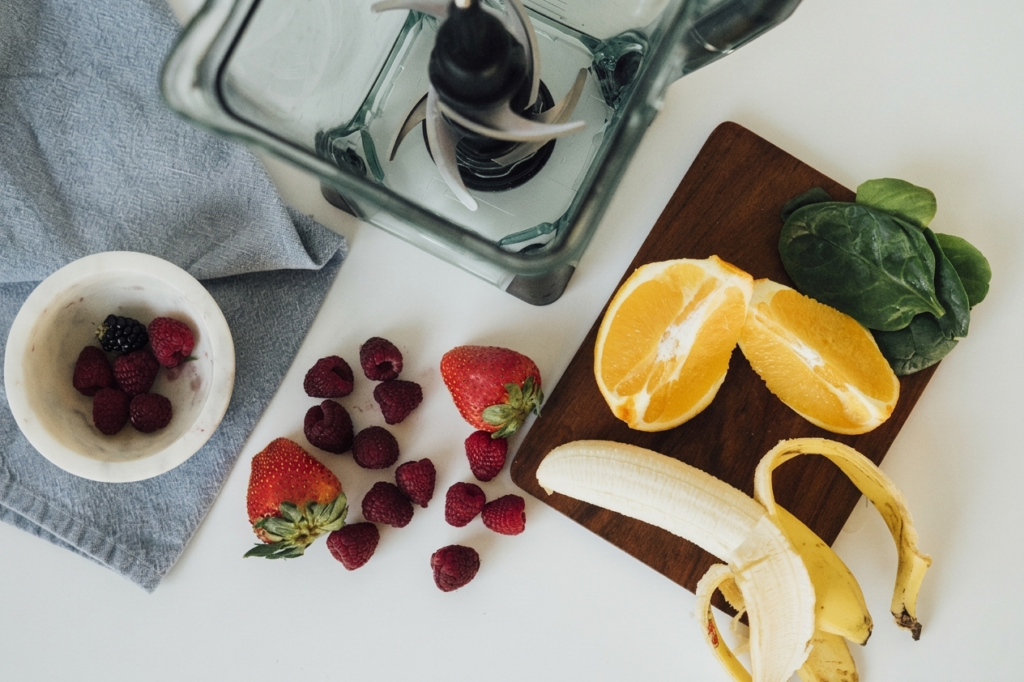
- Balance Ingredients: Combine a mix of fruits/vegetables, protein, and healthy fats. For example, use a banana or berries for sweetness; spinach or kale for fiber; Greek yogurt, nut butter, or protein powder for protein; and a liquid base like milk, juice, or water. This mix ensures you get sweetness, creaminess, and satiety.
- Liquid Ratios: Start with enough liquid (about ½ to 1 cup) to blend smoothly. If you add too much, your smoothie will be runny; too little, and the blender may jam. Generally, a thicker smoothie has more frozen fruit and less liquid, while a thinner drink has more liquid.
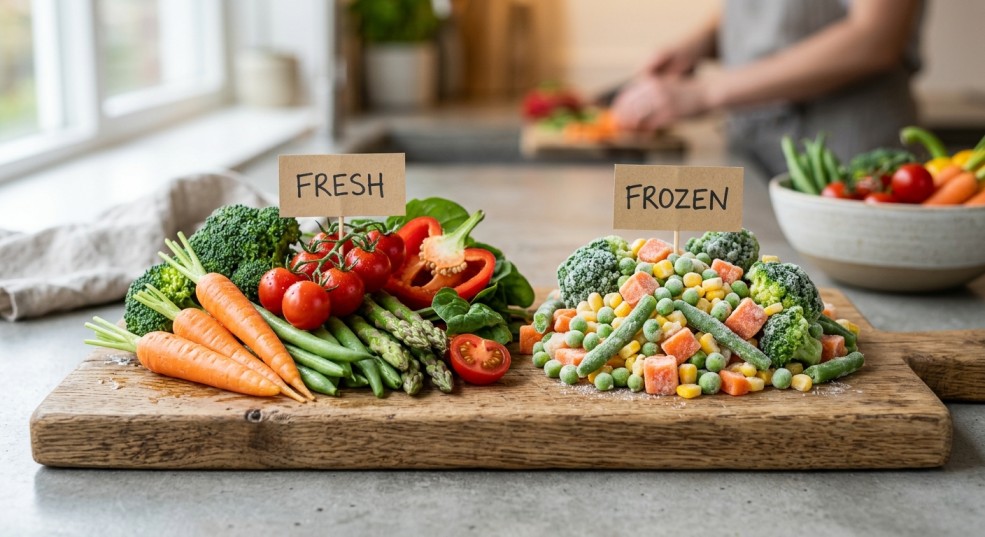
- Fresh vs. Frozen: A combination of fresh and frozen produce works best. Fresh fruits add natural flavor, while frozen fruits (like frozen berries or banana slices) chill and thicken the smoothie without needing ice. Using frozen fruit often makes the texture creamier. Blending fruits and vegetables retains a lot of the nutrients, including fiber, so using whole produce (fresh or frozen) keeps your smoothie filling.
- Blending Tips: Add liquids to the blender first, then soft ingredients (yogurt, bananas), and frozen/ice last. This order helps everything blend smoothly. Use a high-power blender if you have one. Blend in bursts or pulses until smooth. If chunks remain, stop and stir the mix, then blend again.
By balancing your ingredients and blending well, you’ll end up with a creamy, smooth drink every time. Feel free to experiment with add-ins (seeds, oats, spices), but remember the basic ratio of fruits/veggies to liquid for the desired consistency.
Common Smoothie Mistakes to Avoid
Even healthy smoothies can go wrong if you’re not careful. Here are some pitfalls to watch out for:
- Too Much Sugar: It’s easy to overload on sweet ingredients. Even natural fruit sugars add up. Avoid adding extra sweeteners or too much juice. As MD Anderson’s nutritionists warn, smoothies “can be full of empty calories” if filled with high-sugar ingredients. Stick to whole fruits and check labels on flavored add-ins. Remember: “the sugar in fruits is naturally occurring… but it’s still sugar”.
- Portion Size: Bigger isn’t always better. A giant smoothie can pack unexpected calories. A good rule is about 8–12 ounces per serving. MD Anderson advises keeping smoothies between 8 and 12 ounces to fit into your daily calorie needs. If you need more, make two smaller servings instead of one massive drink.
- Poor Ingredient Combos: Some flavor combinations work better than others. For example, mixing too many acidic fruits with dairy can curdle yogurt, or blending ice cream/cookies with fruit turns your smoothie into a dessert (fine occasionally, but not every day). Likewise, all-fruit smoothies may end up being sweeter than you expect. To avoid this, balance sweet fruits with greens or add a squeeze of lemon for brightness.
- Overloading Extras: It’s tempting to toss in everything at once. But too many add-ins (nuts, seeds, powders) can make your smoothie heavy or gritty. Use extras like peanut butter or flax seeds judiciously. If you want a boost, add one or two healthy extras at a time (e.g., a spoonful of nut butter or a handful of spinach) rather than the entire pantry.
Avoiding these mistakes will keep your smoothies healthy and delicious. Focus on whole ingredients and moderation. As MD Anderson’s nutritionists note, “make sure you’re packing your smoothies full of vitamins and other nutrients – not just extra sugar.”
Frequently Asked Questions
Q: Are smoothies healthy every day?
A: Generally, yes, as long as you make them with wholesome ingredients. Smoothies can be very nutritious, often packed with “vitamins, minerals, and fiber”. Drinking a smoothie daily can help you meet your fruit and vegetable goals. Just be sure to vary the ingredients to get a range of nutrients. Experts advise not to drink the same smoothie every day so you get different vitamins and antioxidants. In short, a balanced smoothie each day can be healthy, but avoid too much fruit sugar or the temptation to add sweet junk.
Q: Can smoothies replace meals?
A: Smoothies can serve as a meal replacement in some cases, especially if they contain protein, fiber, and healthy fats to keep you full. For weight loss, replacing one meal with a controlled smoothie may create a calorie deficit. However, research suggests liquids may be less filling than solid foods, so relying only on smoothies might leave you hungrier later. For example, a 21-day smoothie diet was found to be effective in the short term, but smoothies alone were not as satisfying as solid foods. It’s usually best to enjoy smoothies as part of a balanced diet rather than your only source of nutrition. If you do replace a meal, make it a nutrient-dense smoothie with protein and vegetables.
Q: What is the best time to drink smoothies?
A: There’s really no wrong time to enjoy a smoothie. They can fuel you any time of day. Many people like to have them for breakfast to kick-start the morning with fruits and veggies. They’re also great as a pre- or post-workout snack (providing carbs and protein) or an afternoon pick-me-up. No matter when you drink smoothies, your body will benefit from having the extra nutrients it needs throughout the day. So, drink them when you need convenience and nutrition; morning, noon, or evening.
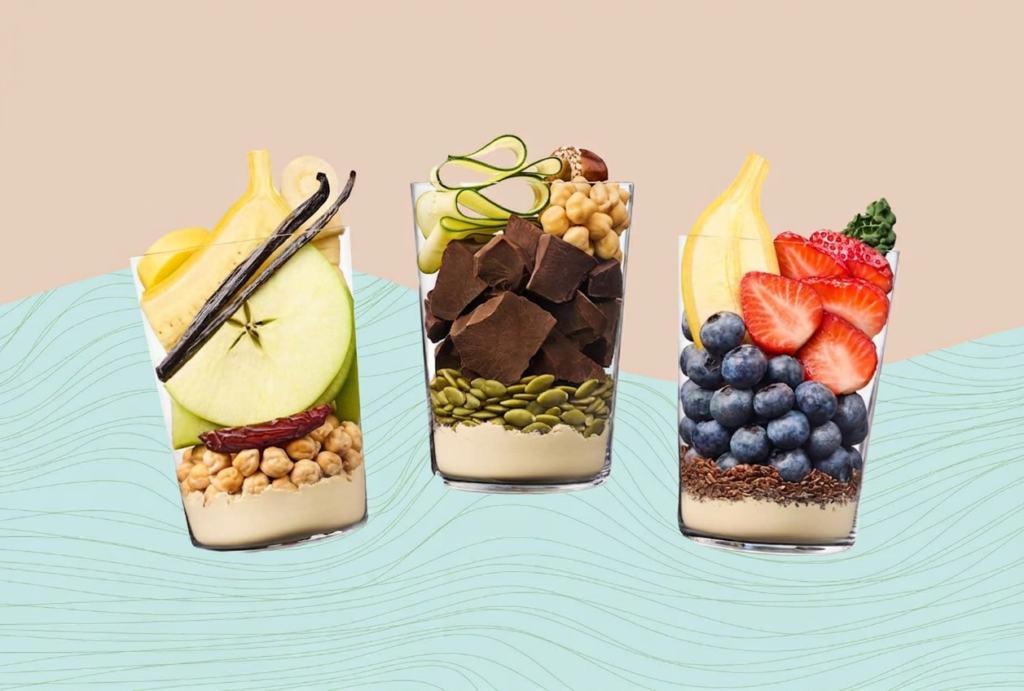
Conclusion Smoothies are an easy, tasty way to boost your nutrition any day of the week. By blending fruits, veggies, proteins, and healthy fats, you get a satisfying meal or snack in minutes. Now it’s your turn to experiment with the smoothies above and beyond. Feel free to mix up ingredients or portion sizes to suit your taste and goals. Check out the links for each smoothie to try the full recipes and ingredients. Whether you’re powering through a busy morning or craving a healthy dessert, these nine easy smoothie recipes have you covered. Enjoy the process of blending and discovering your own favorite combinations!